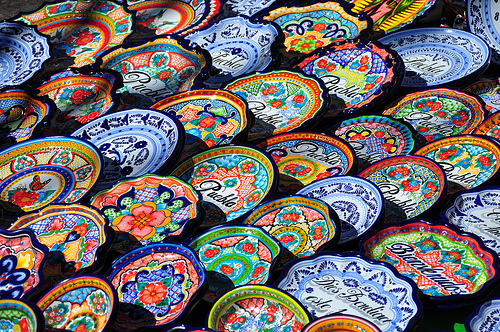
Potters from seville spain began wheel thrown glazed pottery in puebla around 1520.
Cultural significance for mexican majolica ceramics in 19th century.
There are many items and they all have a meaning.
Before the internet before the global village before most people even thought of the planet as a whole there was mexican majolica.
Archaeologists have long used ceramics especially majolica as a key indicator of status in the spanish colonial americas.
The clay pieces found from.
Pre hispanic pottery the oldest pottery pieces found in mesoamerica are 4500 years old.
The talavera workshops of puebla mexico produced tin glazed pottery which included the world s first global imagery.
These wares at first were more associated with the use of luster overglazes that had been introduced through the moorish invasion of the spanish peninsula in the 8th century.
This is the time when the population became sedentary.
Day of the dead folk art.
Since the emergence of the olmec culture considered to be the mother of the mesoamerican cultures ceramics pottery making took an important place in the lives of the mexican people.
So many could be mentioned i ll go over just a few.
By the time of the mexican war of independence mexican majolica was exported throughout the new world and drove the spanish version from the market.
In actuality archaeological evidence for the relationship between status and ceramics varies greatly.
They were considered unidentified by florence and robert lister.
The earthenware vessels anthropomorphic figures and various types of tools found in the archaeological ruins of the ancient olmec cities of tajin san lorenzo la venta and tres zapotes suggest the.
Its variety shows the cultural historic and geographic diversity of this country.
Majolica is a historical type of pottery still practiced today.
Requisitions and invoices memorias and facturas from two presidio settlements in alta california provide valuable information about pricing of ceramic goods and the.
Mexican pottery is the most prolific and versatile type of mexican folk art.
Later especially during and after the 15th century the term majolica referred not only to lusterware but all tin lead glazed ware produced on the island.
However this dominance would not last long before cheaper delftware from england and asian wares put pressure on the industry in the 19th century.
Over the course of the centuries that followed majolica fell in and out of favor due to the changing tastes and styles of each era but it reached its zenith during the 19th century when europe s leading ceramic factory minton company commercially introduced majolica wares in 1851.